
Don't Let the Wind Win: A Homeowner's Guide to Protecting Your Roof from Casper's Weather
Anyone who lives in Casper knows that the wind is more than just a breeze—it's a constant force to be reckoned with. While we're used to bracing ourselves against a stiff gust, our homes, and especially our roofs, bear the brunt of this relentless weather day in and day out. Significant wind damage can compromise your roof's integrity, leading to leaks and costly structural issues down the line. Understanding how to spot the signs of trouble and what makes a roof truly resilient is the first step in protecting your most valuable asset. This guide will walk you through identifying wind damage, choosing the right materials for our climate, and taking proactive steps to keep your home safe and secure.
How High Winds Compromise Your Roof
It’s easy to think of wind as simply blowing against your roof, but the real damage often comes from pressure differences. As strong winds flow over your roof's surface, it creates a lifting effect, similar to an airplane wing. This uplift pressure can pull shingles, tiles, and flashing away from the roof deck, even if they appear intact from the ground.
Here’s what happens during a significant wind event:
- Uplift and Peeling: The edges and corners of your roof are most vulnerable. Wind can get underneath the edge of a shingle, lifting it and breaking the sealant bond that holds it down. Once one shingle is loosened, it creates a chain reaction, making its neighbors more susceptible.
- Flying Debris: High winds can turn tree branches, lawn furniture, and other unsecured items into projectiles. A direct impact can crack, puncture, or dislodge roofing materials, creating an immediate entry point for water.
- Pressure Fatigue: Even without a major storm, constant wind pressure can slowly weaken your roof over time. It can loosen fasteners, fatigue materials, and gradually degrade the sealant on your shingles, reducing their lifespan and effectiveness.
Common Signs of Wind Damage to Look For
After a major storm, it's wise to perform a safe visual check of your roof. Catching problems early can prevent a small issue from turning into a major headache. Here are some key indicators of wind damage:
- Missing or Damaged Shingles: This is the most obvious sign. Look for bare patches on your roof or shingles that are cracked, curled, or torn.
- Lifted Shingle Edges: From the ground, you may see shingles that look slightly raised or whose edges are no longer lying flat. This indicates the sealant has been broken by wind uplift.
- Granules in Your Gutters: Asphalt shingles are coated with granules that protect them from UV rays. If you find a significant accumulation of these sand-like particles in your downspouts or on the ground, it’s a sign of advanced wear, often accelerated by wind.
- Damaged Flashing: Check the metal strips around your chimney, vents, and skylights. If the flashing is bent, loose, or missing, it creates a prime spot for leaks.
- Interior Water Stains: The ultimate sign of a problem is evidence of a leak inside. Check your ceilings and attic for any discoloration, water spots, or dampness.
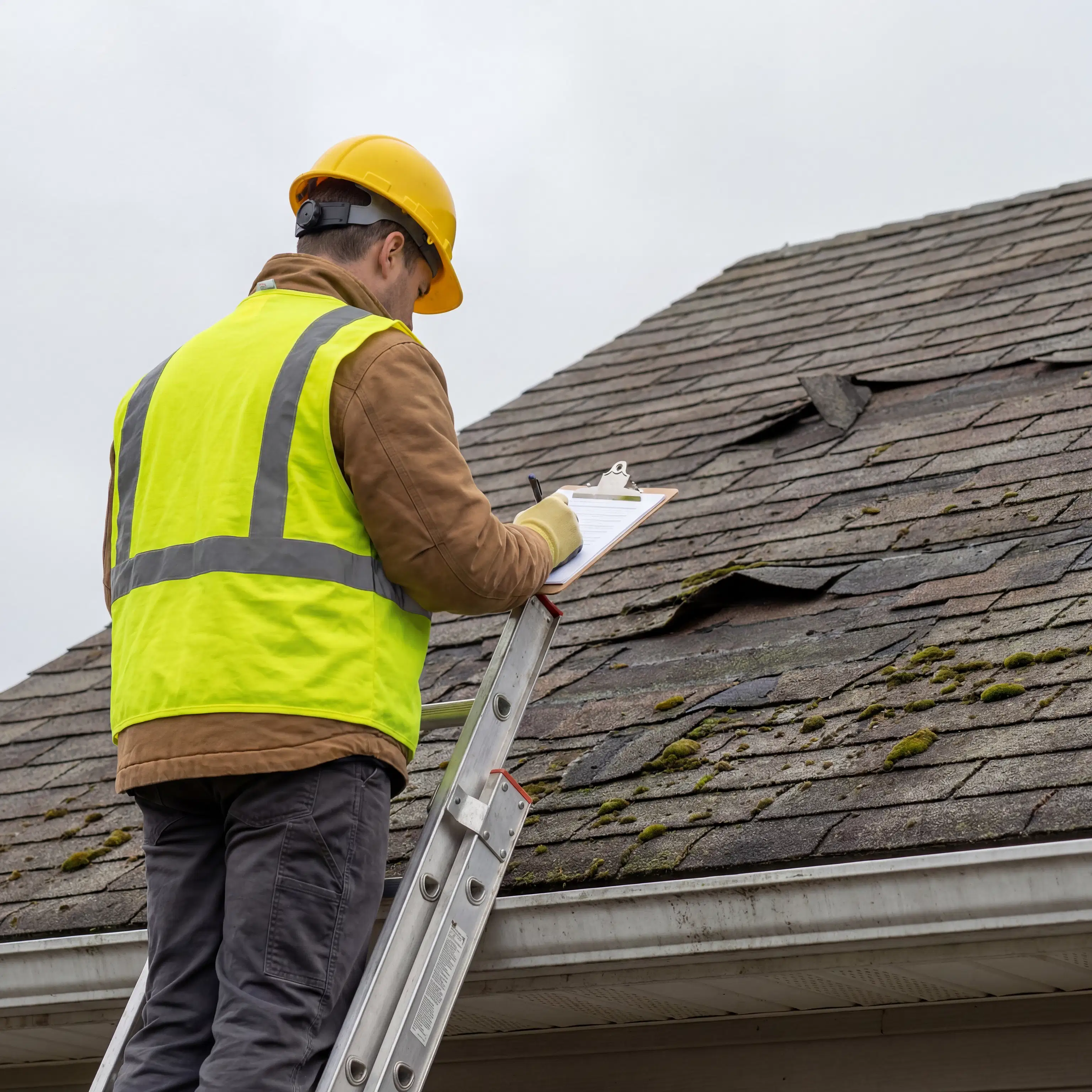
If you notice any of these signs, it's best to schedule a professional roofing inspection. An expert can safely assess the full extent of the damage, including subtle issues not visible from the ground.
Choosing Materials Built for Wyoming's Climate
When it comes to standing up to high winds, not all roofing materials are created equal. Investing in quality, wind-resistant materials is one of the best long-term decisions you can make for your home. Here in Wyoming, two options stand out for their superior performance and durability.
First, Laminated Shingles, often called architectural or dimensional shingles, are an excellent choice. Unlike traditional 3-tab shingles, they are thicker, heavier, and constructed with multiple fused layers. This design not only gives them a more robust, textured appearance but also provides significantly better resistance to wind uplift. Many are rated for winds well over 100 mph, making them a reliable and popular option for ranch style homes and other common designs in our area.
For the ultimate in durability and wind resistance, Metal Roofing is second to none. Standing seam metal roofs, with their interlocking panels and concealed fasteners, create a formidable barrier against the most extreme weather. They are exceptionally resistant to wind uplift, impervious to hail and debris impact, and can last 50 years or more with minimal maintenance. While the initial investment is higher, the peace of mind and long-term value are unmatched.
Your Next Steps: Prevention and Professional Repair
Being proactive is your best defense against wind damage. Regular maintenance, such as trimming overhanging tree limbs and ensuring your gutters are securely attached, can minimize the risk of impact damage. However, after a severe storm, a professional assessment is crucial.
If you suspect your roof has been damaged, avoid the temptation to climb up yourself. Instead, document what you can see from the ground and call a trusted, local roofing contractor. A professional can identify both obvious and hidden damage and recommend the right course of action. Whether it's a simple roofing repair to replace a few loose shingles or a more comprehensive solution, addressing the issue promptly is key to protecting your home's structure and preventing future leaks.
Don't wait for a small problem to become a major expense. The wind in Casper isn't going to let up, but with the right materials and expert care, your roof can be ready for it. If you have concerns about your roof's condition or want to explore more wind-resistant options, we're here to help. Contact MDJ Roofers today for a comprehensive inspection and a free, no-obligation estimate.