
Is Your Roof Ready for Winter? A Homeowner's Guide to Managing Heavy Snow Load in Casper
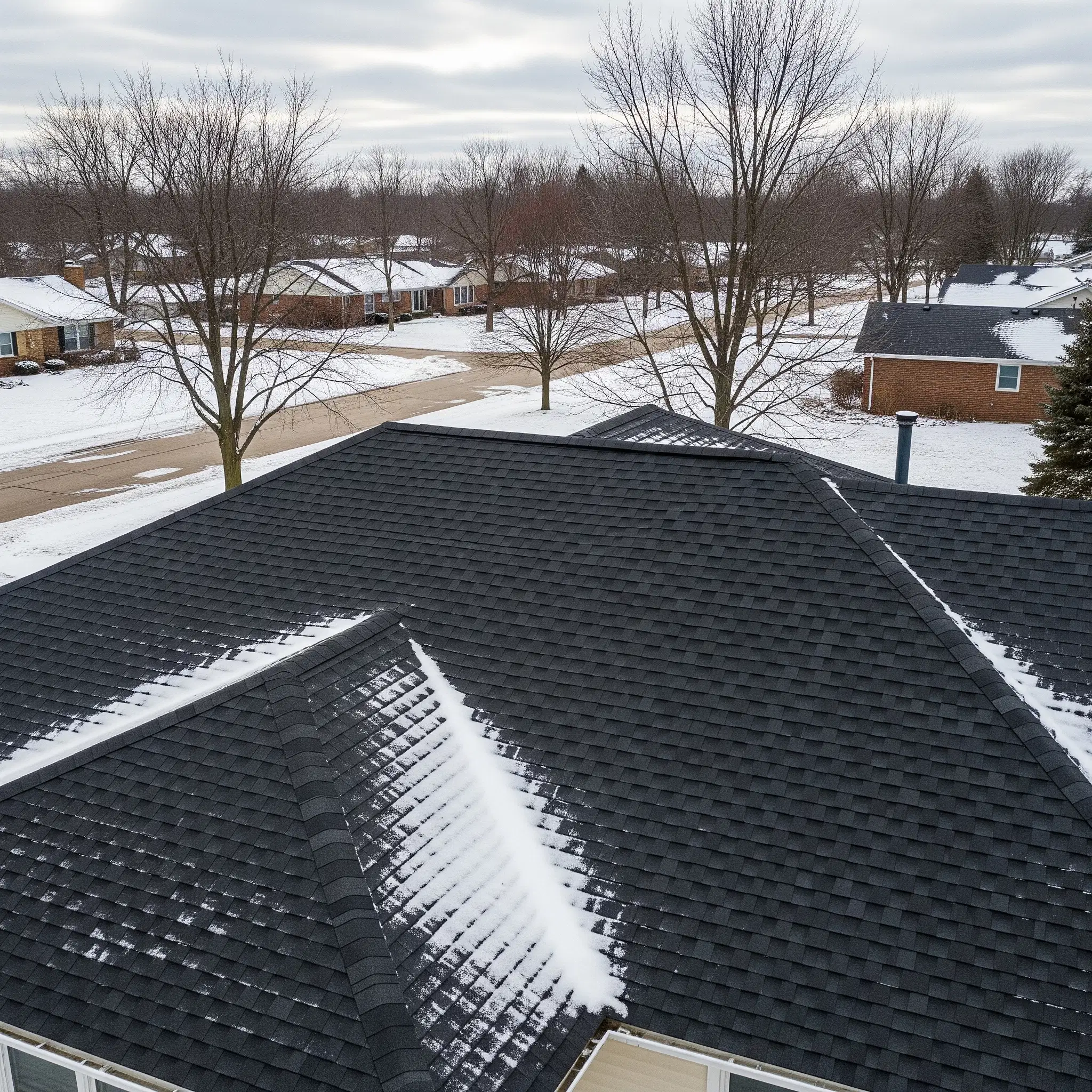
A Casper winter is a beautiful thing. A fresh blanket of snow can transform the landscape, creating a quiet, picturesque scene. But as homeowners, we know that with that beauty comes responsibility. All that heavy, wet snow piling up on your roof can pose a significant risk to your home's structural integrity. Understanding the concept of snow load—the downward force of accumulated snow on your roof—is the first step in protecting your biggest investment.
Many homeowners aren't sure what to look for or when to be concerned. How much snow is too much? What are the warning signs of a roof under stress? This guide will walk you through how to identify potential problems, take proactive steps to prevent damage, and know when it's time to call in a professional for help.
The Weight of Wyoming Snow
Not all snow is created equal. A foot of light, fluffy powder weighs significantly less than a foot of dense, wet snow. Here in Wyoming, we can experience everything from dry flurries to heavy, moisture-laden storms. A general rule of thumb is that one square foot of snow that is one inch deep weighs about a pound. If your roof has 12 inches of fresh snow, that's about 12 pounds per square foot. However, if that snow gets compacted or saturated with rain, its weight can increase dramatically to over 20 pounds per square foot.
Factors like drifting and the infamous chinook winds can create uneven snow distribution, putting immense pressure on specific areas of your roof. An even bigger concern is the formation of ice. When snow melts and refreezes, it becomes much denser and heavier. This is also how a destructive ice dam can form, preventing proper drainage and potentially forcing water back up under your shingles, leading to serious leaks and water damage.
Warning Signs of a Roof Under Stress
Your home will often give you subtle (and sometimes not-so-subtle) clues that your roof is struggling under a heavy snow load. It's crucial to be vigilant and check for these signs both inside and outside your house. Never get on a snow-covered roof yourself; the risk of slipping or causing a collapse is far too high.
Inside Your Home:
- Sticking Doors or Windows: If interior doors or windows that normally operate smoothly suddenly begin to stick, it could indicate the frame is being distorted by weight from above.
- New Cracks: Look for new cracks appearing in the drywall or plaster around door frames and on ceilings.
- Audible Noises: Creaking, groaning, or popping sounds coming from the roof or attic are serious red flags that the structure is under strain.
- Visible Sagging: Any noticeable sagging in your ceiling is an immediate cause for concern.
- Leaks: Water stains on your ceiling or walls are a clear sign that moisture is getting through, possibly from an ice dam or other damage.
Outside Your Home (Viewed from the Ground):
- Sagging Roof: A bowed or sagging roofline is a critical warning sign.
- Bent Gutters or Metal Flashing: The weight of snow and ice can bend and damage gutters and the flashing around chimneys and vents.
- Significant Icicles and Ice Dams: While small icicles can be normal, large, heavy formations along the roof's edge indicate that an ice dam has formed, blocking proper drainage.
Proactive Maintenance and When to Call for Help
Prevention is always the best strategy. Taking a few steps before and during winter can save you from costly repairs down the road.
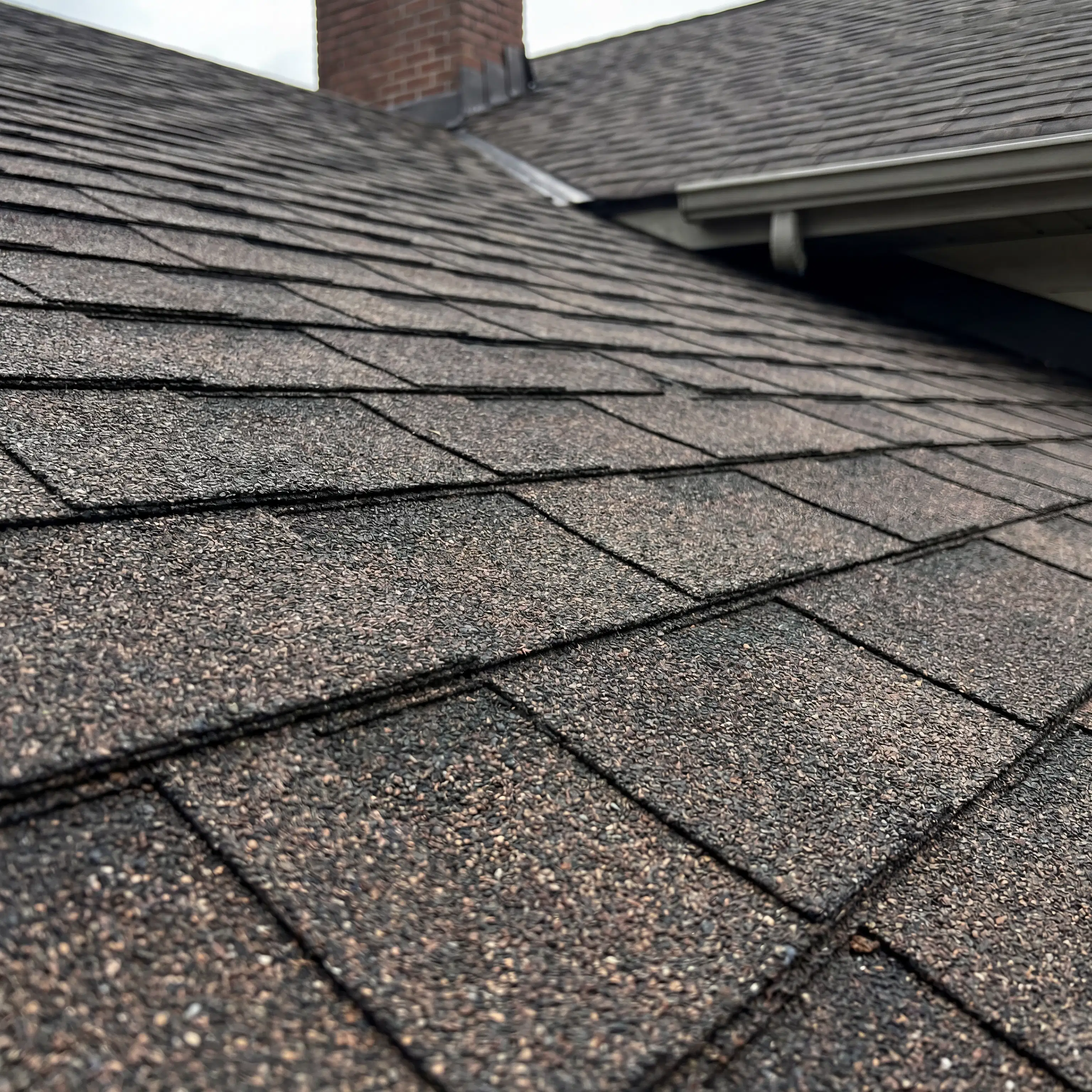
Before the first snowfall, it's wise to schedule a professional roofing inspection. A trained eye can spot pre-existing vulnerabilities, such as loose shingles or damaged flashing, that could be made worse by heavy snow. Ensuring your gutters are clean and your attic is properly insulated and ventilated are also key steps in preventing ice dams.
During the winter, you can use a long-handled roof rake to carefully pull snow off the first few feet of your roof eaves. This can help prevent ice dams from forming. However, this should only be done from the ground and on single-story homes. For larger homes or significant accumulation, it's a job best left to professionals who have the right safety equipment and know-how to avoid damaging your roof.
If you notice any of the serious warning signs like a sagging roofline, major interior cracks, or significant leaks, it's time to call for immediate help. These issues may require professional snow removal and a thorough roofing repair assessment. In severe cases, extensive damage might mean a full roof replacement is the safest long-term solution.
Protect Your Home This Winter with MDJ Roofers
Winter in Wyoming demands a roof that's tough, durable, and well-maintained. Paying attention to the weight of snow on your roof, knowing the warning signs of stress, and acting quickly can protect your home and family from serious damage. Don't let a heavy snow load become a heavy burden.
If you have concerns about your roof's ability to handle the winter weather or need a professional assessment for your home in the Casper area, the team at MDJ Roofers is here to help. Contact us today to schedule a professional roofing inspection or discuss our expert roofing repair services for your peace of mind.