
Pre-Winter Roof Inspection and Maintenance Guide
As the vibrant colors of autumn begin to fade and the first dustings of snow appear on Casper Mountain, homeowners know exactly what is coming. The harsh winter season is approaching, and it brings a unique set of challenges for your home's exterior. Preparing your property for freezing temperatures, heavy snowfall, and relentless storms is essential, but one area that often goes overlooked until a problem arises is the roof. Your roof is your home's primary defense against the elements. After enduring the severe thunderstorms and hail typical of our summers, it may have sustained subtle wear and tear that you cannot easily see from the ground. Going into winter with unaddressed issues can lead to severe structural damage, expensive emergency repairs, and immense stress during the coldest months of the year. That is why scheduling a thorough roofing inspection before the deep freeze sets in is one of the smartest investments you can make. In this guide, we will walk you through the critical steps of evaluating your roof, preparing your home to prevent ice dams, and ensuring that your property stays warm, dry, and secure all winter long.
Evaluating Roof Shingles Before Winter Storms
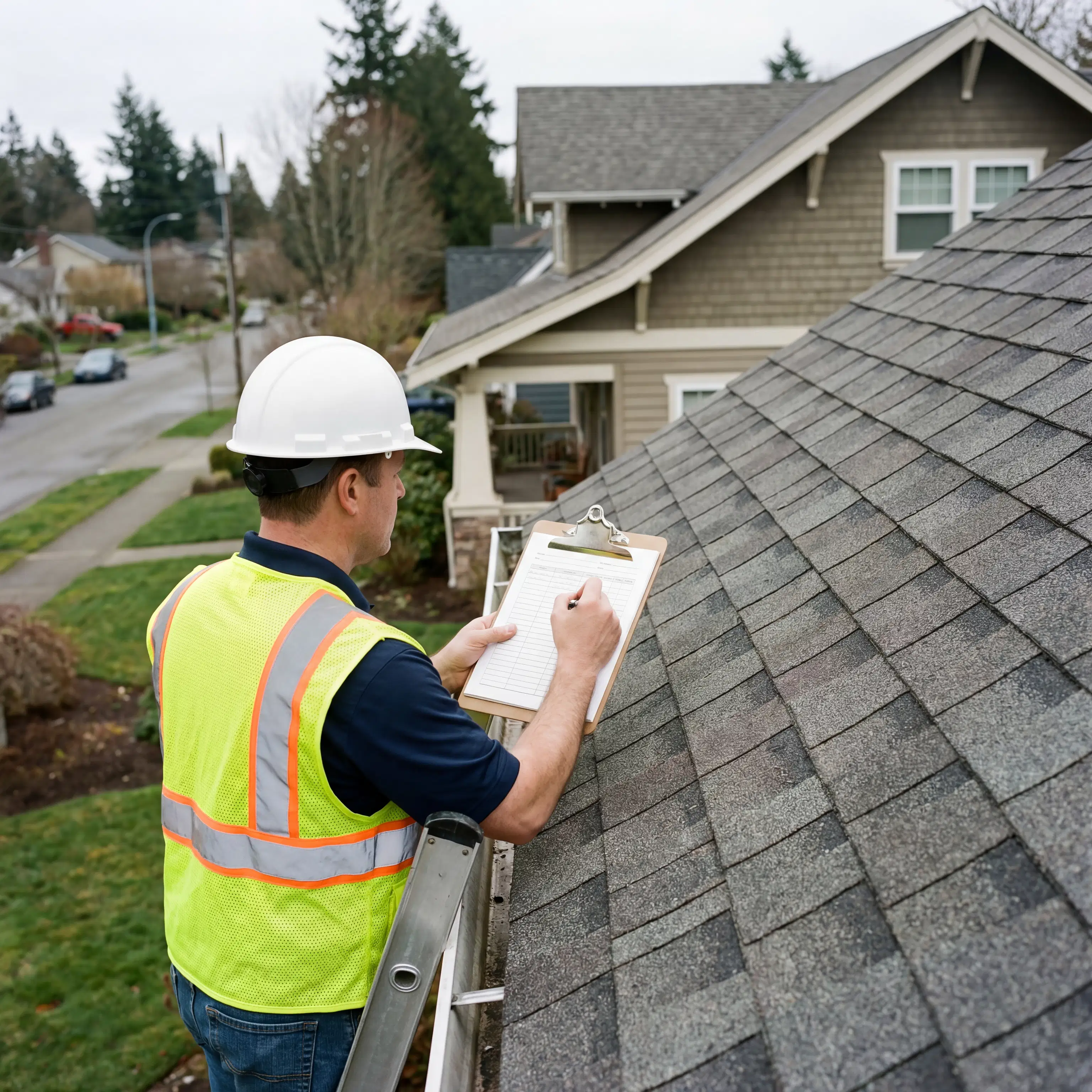
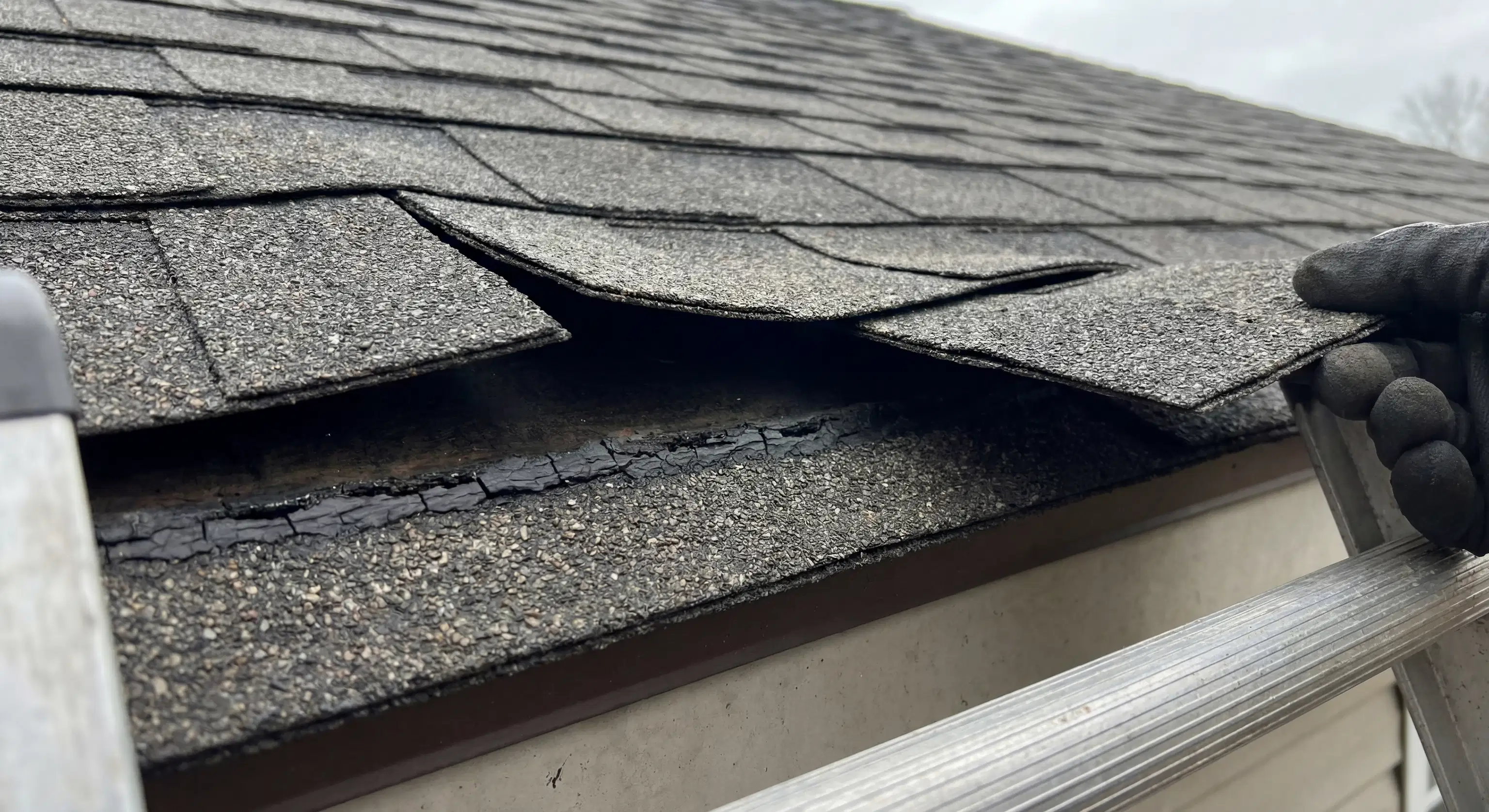
Before the snow starts to pile up, it is crucial to assess the condition of your roofing materials. Our region sits right in Hail Alley, meaning summer storms frequently leave behind impact damage that weakens the structural integrity of your roof. Even if you haven't noticed a leak, hail can bruise shingles, dislodge the protective granules, and leave the underlying mat exposed to moisture. Additionally, the legendary Casper Wind can wreak havoc on an aging roof. High-velocity gusts can lift, crack, or entirely blow off older shingles, compromising the water barrier. Evaluating roof shingles before winter storms allows you to catch these vulnerabilities while the weather is still favorable for repairs. If you are noticing curling edges, missing patches, or excessive granules collecting in your gutters, it might be time to consider an upgrade. Standard asphalt shingles offer excellent, cost-effective protection, but if you are looking for superior wind resistance and durability, upgrading to laminated shingles provides an extra layer of defense. These architectural shingles are heavier and designed to withstand greater wind uplift, making them ideal for homes that face extreme weather exposure.
Preventing Attic Heat Loss and Ice Dams
One of the most common questions homeowners ask as temperatures drop is how to prevent ice dams from forming. Ice dams are solid ridges of ice that build up along the eaves of a roof, preventing melting snow from draining off properly. When the water backs up behind the dam, it can seep under the shingles and leak into your home, damaging insulation, ceilings, and walls. Ice dams typically occur due to uneven roof temperatures caused by attic heat loss. When warm air from your living space escapes into the attic, it warms the highest parts of the roof, causing the snow to melt. As the water trickles down to the colder eaves, it freezes, slowly building an ice barrier. This cycle is often accelerated by the warm Chinook Winds that cause rapid snowmelt followed by sudden freezing overnight. Preventing attic heat loss and ice dams requires a two-pronged approach: proper insulation and adequate ventilation. During a pre-winter inspection, it is important to ensure that your attic insulation is thick enough to keep heat trapped in your living areas. Equally vital is checking that your soffit and ridge vents are clear of debris. Good airflow keeps the roof deck cold, ensuring that snow melts naturally and evenly, drastically reducing the risk of ice dam formation.
Your Residential Roof Winterization Checklist
To help you stay on top of your seasonal maintenance, we have put together a basic residential roof winterization checklist. While some of these tasks can be done safely from the ground, always rely on a licensed professional for any work that requires climbing a ladder or walking on the roof. First, clean the gutters. Remove all autumn leaves, pine needles, and debris. Clogged gutters trap water, which will freeze, expand, and potentially tear the gutter away from your fascia board. Next, inspect your flashing. The metal flashing around your chimney, skylights, and vent pipes is a common failure point for leaks. Ensure the caulking and seals are intact and not cracking from temperature fluctuations. Finally, trim overhanging branches. Heavy spring blizzards or wet winter snow can weigh down tree limbs, causing them to snap and crash onto your roof. Trim back any branches that hang directly over your home.
Partner with the Experts at MDJ Roofers
Winterizing your property shouldn't be a guessing game. Out-of-state storm chasers often disappear when the weather turns cold, leaving homeowners without support when they need it most. By partnering with a dedicated, local team, you ensure that your roof is prepared for whatever the season brings. At MDJ Roofers, we understand the specific building codes and weather demands of Natrona County, and we are proud to serve our expansive network, including the Dallas-Fort Worth Metropolitan Area. We are here to help you identify minor wear and tear before it becomes a major winter emergency. Whether you need a comprehensive inspection, a few strategic repairs, or a complete roof replacement using high-quality materials, our experienced team has you covered. Don't wait until the first major snowstorm hits. Reach out to us through our contact us page today to schedule your pre-winter evaluation and secure your peace of mind.