
Understanding Wind Load Standards for Bar Nunn Roofs
Living in Wyoming means accepting that the weather plays by its own rules. If you reside in Bar Nunn, you are likely intimately familiar with the relentless Casper Wind. Built on an old airport runway, this community experiences some of the most extreme wind exposure in the region. When gusts howl across the open plains, your home's exterior is the only thing standing between your family and the elements. That is why understanding wind load standards for your roof is not just a matter of building code compliance—it is a matter of safety, peace of mind, and long-term financial protection.
For homeowners, the sheer force of nature can be a constant source of anxiety. You might find yourself listening to the house creak during a storm, wondering if your shingles are going to hold up or if you will wake up to a yard full of debris. The reality is that standard roofing practices that work in milder climates simply do not cut it here. Roofs in our area require specialized engineering, specific materials, and precise installation techniques to survive.
In this guide, we will explore exactly what wind load design requirements for roofing entail, how high velocity winds interact with your home, and what you need to know to ensure your property is fully protected against the harshest weather conditions.
The Science of Wind Uplift and Roof Stress
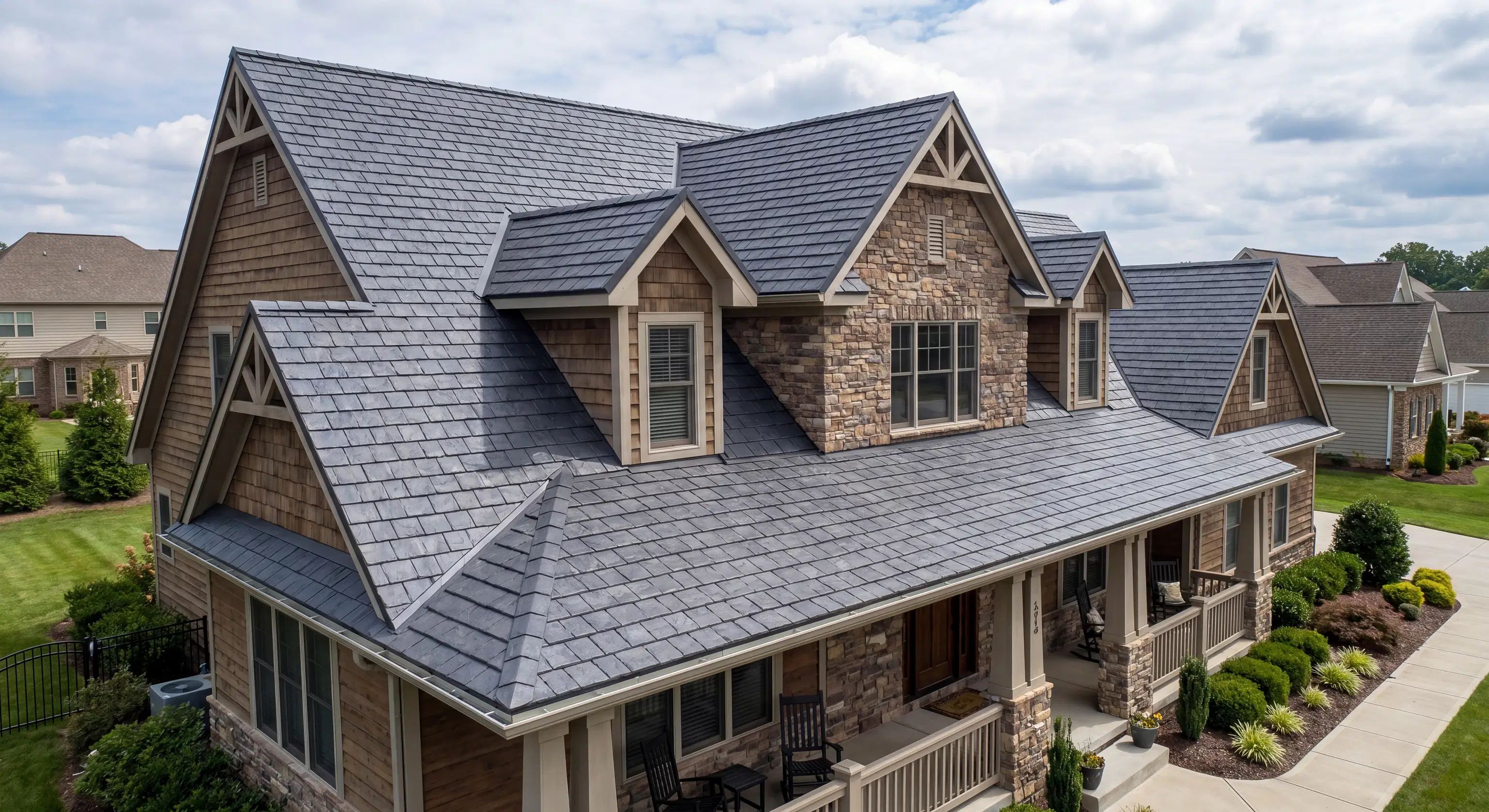
To understand why specific standards are necessary, it helps to know exactly what happens to your home during a severe windstorm. Wind does not just blow horizontally against your house; it interacts with the structure in complex, dynamic ways. When high-velocity winds hit your exterior walls, the air is forced upward and over the top of the house. This rapid movement creates a vacuum effect, generating a massive amount of uplift pressure on the edges, corners, and ridge of your roof.
If the roofing materials are not properly secured, this uplift can literally peel the surface right off the decking. The impact of high velocity winds on shingles is often cumulative. A single storm might slightly loosen a few fasteners or break the adhesive seal on a shingle. Over time, subsequent storms catch those weakened areas, leading to tearing, blow-offs, and eventually, severe water leaks.
This is exactly why Natrona County enforces strict building codes regarding wind resistance. These regulations dictate the minimum wind speeds a roof must be able to withstand without failing. Meeting these codes requires more than just buying good materials; it requires high wind shingle fastening techniques. For instance, while a standard installation might use four nails per shingle, high-wind areas demand six nails, placed at very specific intervals, along with enhanced starter strips and heavy-duty underlayment.
When installing asphalt shingles, local experts know that the temperature during installation also matters. The thermal sealant on the shingles needs adequate sun exposure to bond properly. If installed incorrectly or during the wrong conditions, even the highest-rated shingle will fail when the gales arrive.
Choosing Extreme Weather Roofing Materials
When it comes to surviving our local climate, not all materials are created equal. You need extreme weather roofing materials engineered to handle both the wind and the inevitable summer hail. Homeowners generally have two premium options that perform exceptionally well under these stressful conditions: Class 4 impact-resistant shingles and specialized metal systems.
Class 4 shingles are manufactured with a polymer-modified asphalt that makes them incredibly flexible and durable. They can withstand significant impacts without cracking and are heavily tested against wind uplift. Many insurance companies even offer premium discounts for homes equipped with these materials because they drastically reduce the likelihood of a claim following a storm.
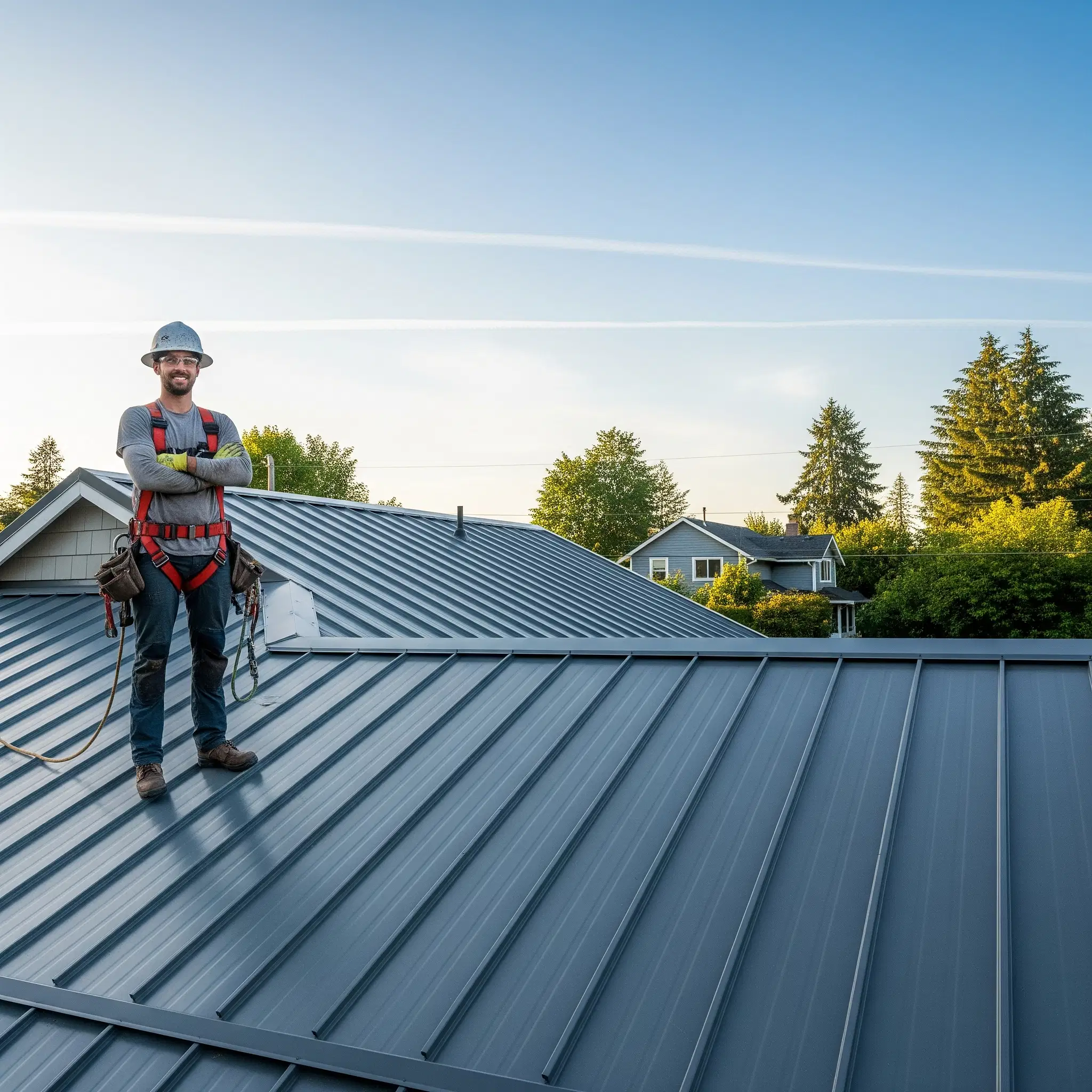
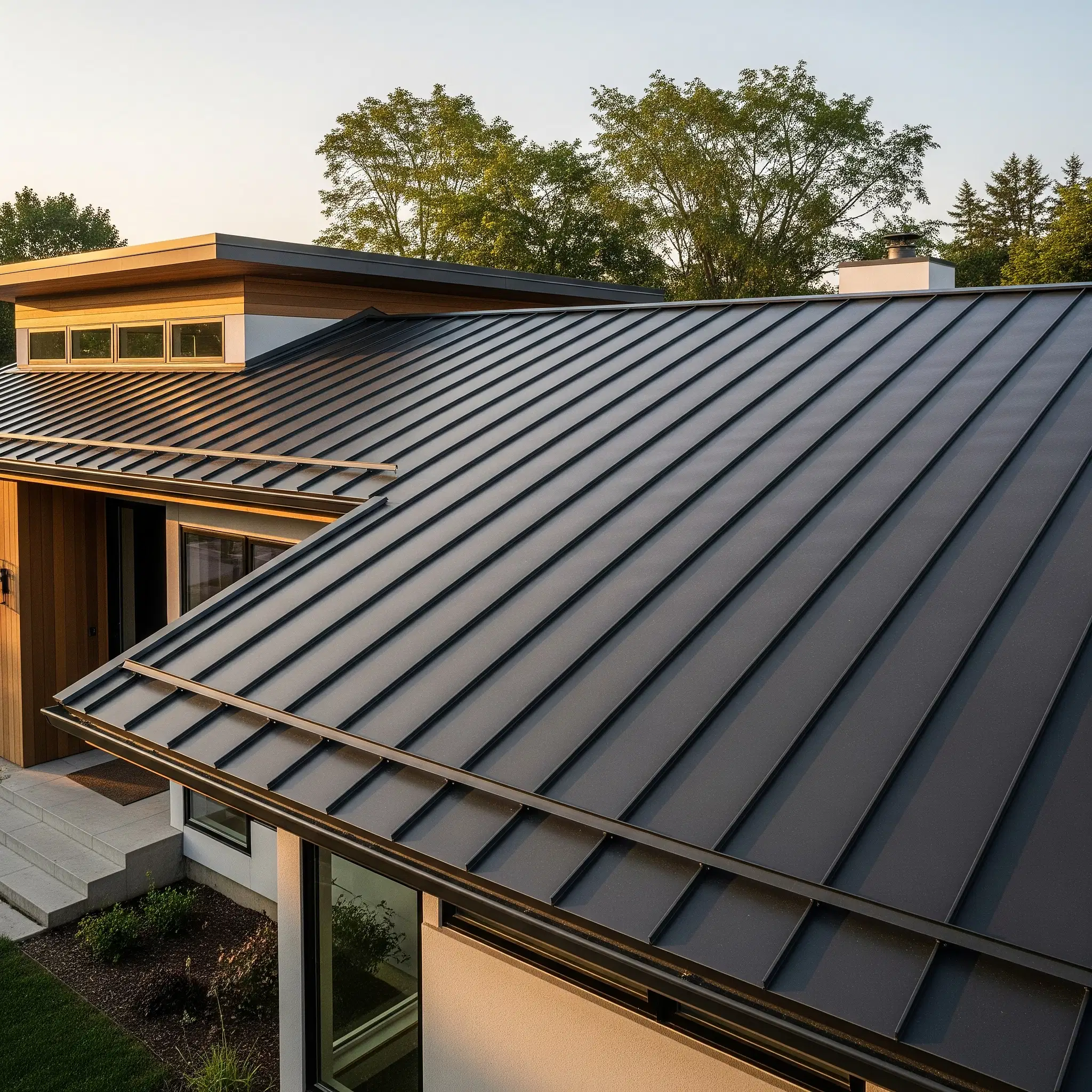
However, for the ultimate protection, many property owners are turning to metal roofing. A properly installed standing seam metal roof features interlocking panels with concealed fasteners. Because there are no exposed edges for the wind to catch, these systems offer unparalleled wind resistance. They also shed snow efficiently, which helps prevent the formation of ice dams during the freezing winter months.
If you are in the planning stages of building a custom home, integrating these materials from day one is crucial. Proper new construction roofing allows contractors to optimize the roof deck, ventilation, and structural supports specifically for the chosen material, ensuring the entire system works in harmony to resist uplift and weather damage.
Unfortunately, after a major weather event, the area is often flooded with out-of-state storm chasers. These transient contractors frequently use high-pressure sales tactics and standard installation methods that do not meet our rigorous local demands. They might make your house look good temporarily, but when the next major storm hits and the roof fails, they are long gone. Relying on an established, local professional ensures your project meets all regional codes and is backed by a warranty you can actually use.
Protect Your Home with Local Expertise
Navigating wind load design requirements for roofing does not have to be overwhelming. By understanding the forces at play and investing in the right materials and fastening techniques, you can secure your home against whatever the seasons bring. The key is partnering with professionals who understand the unique environmental challenges of our region and refuse to cut corners on installation.
Whether you are dealing with recent storm damage, planning a new build, or simply want to upgrade your aging exterior to something more resilient, MDJ Roofers is here to help. We pride ourselves on delivering honest assessments, transparent pricing, and craftsmanship that stands the test of time in the Oil City area.
Do not wait for the next major storm to find out if your home is truly protected. Reach out to us today through our contact us page to schedule a comprehensive inspection or to discuss the best high-wind solutions for your property. Let us help you build a defense that lasts.