
Your Roof vs. the Chinook: How Wyoming's Famous Winds Affect Your Home
Living in Casper, we're all familiar with the welcome relief a Chinook wind can bring on a cold winter day. That sudden, warm breeze can feel like a gift, melting snow and offering a brief taste of spring. But while we're enjoying the temperature spike, our roofs are undergoing a significant amount of stress. These dramatic temperature fluctuations and high-velocity winds can silently shorten your roof's lifespan, leading to unexpected problems down the road. Understanding how these unique weather patterns affect your home is the first step in protecting your investment and ensuring your roof remains strong and secure for years to come.
The Science of a Chinook: More Than Just a Warm Breeze
A Chinook wind is a powerful force of nature. As air comes over the mountains, it descends, compresses, and warms up rapidly. This can cause temperatures to jump 20, 30, or even 40 degrees in a matter of hours. For your roofing materials, this is like going from a deep freeze to a warm oven in an instant. This process, known as thermal shock, is particularly hard on materials like asphalt shingles.
Here’s what happens:
- Expansion and Contraction: As shingles heat up, they expand. When the temperature plummets again after the Chinook passes, they contract. This constant cycle of expansion and contraction weakens the shingles over time.
- Cracking and Brittleness: Repeated thermal stress can cause the asphalt to become brittle, leading to cracks and fractures. These small cracks might not be visible from the ground, but they create pathways for water to seep in.
- Granule Loss: The protective mineral granules on the surface of your shingles are loosened by this movement. You might notice an accumulation of these sand-like granules in your gutters, which is a key sign that your shingles are aging and losing their ability to protect your home from UV rays and moisture.
The Double Threat: High Winds and Sealant Failure
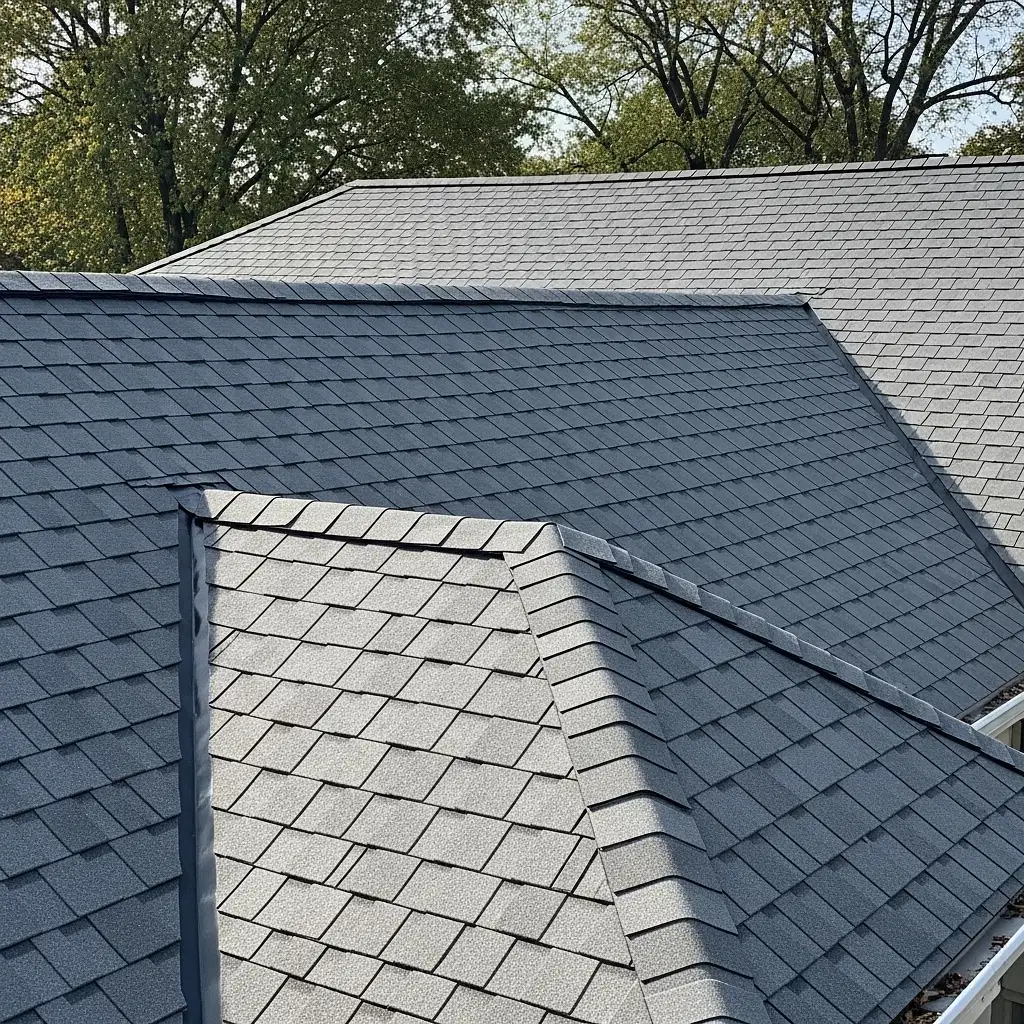
Beyond the temperature swings, Chinooks are, by definition, windy. These powerful gusts create a significant challenge for your roof's integrity, a common issue we see with wind damage across the region. The primary vulnerability is the adhesive strip that seals each shingle to the one below it.
When high-velocity winds blow across your roof, they can create a pressure difference that results in an upward lift. If the shingle's seal is already weakened—perhaps by age or the thermal stress we just discussed—the wind can easily get underneath it. This can lead to:
- Lifted or "Flapping" Shingles: A lifted shingle is no longer protecting your roof deck. It allows wind-driven rain to get underneath, leading to leaks and water damage.
- Torn or Missing Shingles: Once a shingle is lifted, a strong gust can tear it completely off the roof, leaving a section of your home exposed to the elements.
Even if a shingle doesn't tear off, once the factory seal is broken, it rarely reseals perfectly on its own. This leaves it vulnerable to future wind events and moisture intrusion. This is why materials with enhanced wind resistance, such as modern laminated shingles, are often an excellent choice for our climate.
Proactive Measures: How to Protect Your Roof
While you can't stop the wind from blowing, you can take proactive steps to mitigate its effects and extend the life of your roof. The key is regular monitoring and timely maintenance.
-
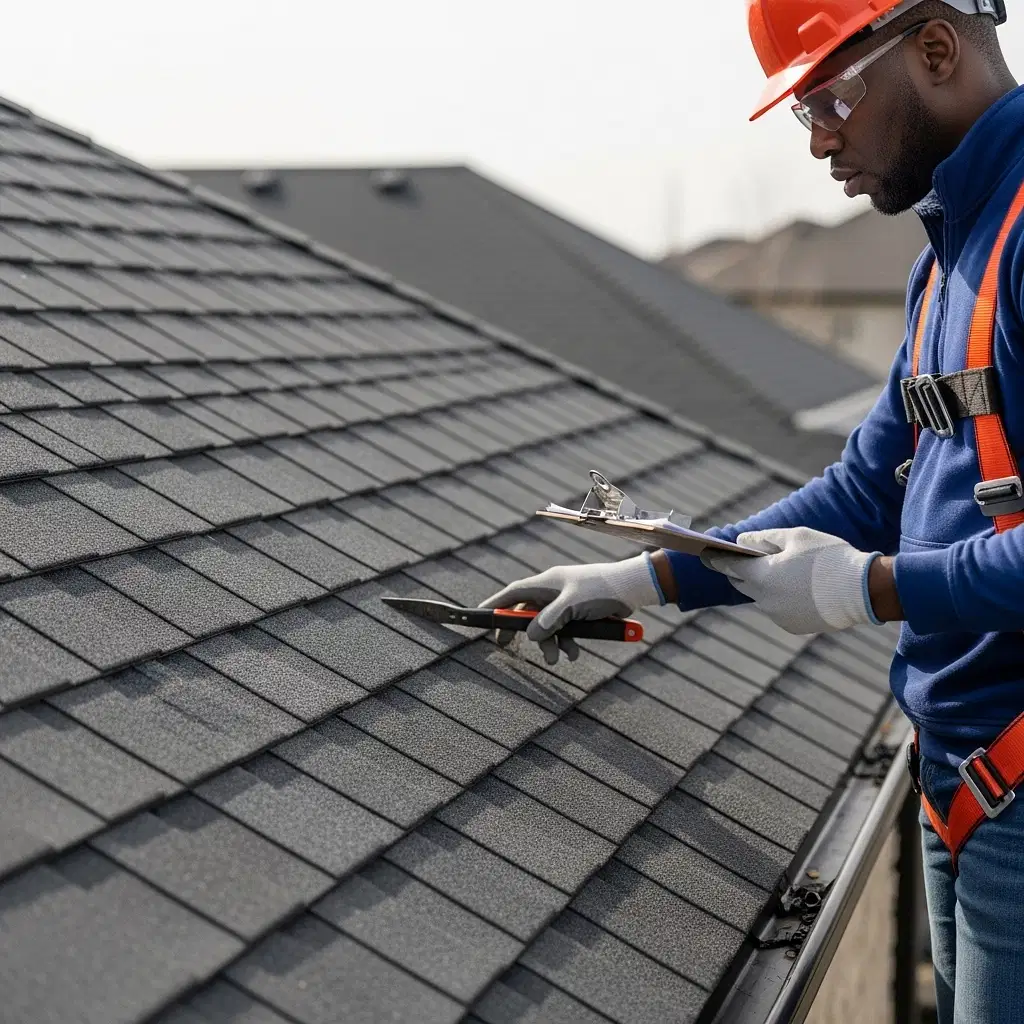
Schedule Regular Inspections: The best defense is a good offense. A professional roofing inspection can identify subtle signs of wear and tear before they become major problems. We recommend an inspection at least once a year, and especially after any major storm or significant Chinook wind event.
-
Don't Delay Repairs: If an inspection reveals loose or damaged shingles, don't wait. A small, inexpensive roofing repair today can prevent a costly roof replacement and interior water damage tomorrow. Addressing a single lifted shingle is much easier than dealing with a widespread leak.
-
Keep Gutters Clean: Clogged gutters can lead to ice dams in the winter, which puts additional stress on the edges of your roof—the very area most susceptible to wind lift. Keeping them clear ensures water drains properly and doesn't compound existing issues.
-
Choose the Right Materials: When it's time for a new roof, selecting materials designed to withstand high winds and temperature changes is crucial. We can help you explore options that offer superior durability and warranties suited for Wyoming's demanding climate.
Is Your Roof Ready for Wyoming's Weather?
Chinook winds are a fundamental part of life here, but they don't have to spell disaster for your roof. By understanding the risks of thermal shock and wind uplift, and by committing to regular maintenance, you can ensure your home stays protected. A strong, well-maintained roof is your first line of defense against the elements, providing peace of mind for you and your family.
If you have concerns about how your roof is holding up or have noticed signs of wear, don't hesitate to reach out. The team at MDJ Roofers has the local expertise to assess your roof's condition and recommend the best course of action. Contact us today to schedule a comprehensive roofing inspection or to discuss our repair and replacement services for your home in the Casper area.